
Podcast: Download
Subscribe: Apple Podcasts | RSS
 Imagine being able to recall names, speeches or the key points from complex books with ease. That’s the power you’ll enjoy after you use today’s tips to master the method of loci.
Also known as the Memory Palace technique or Mind Palace, this approach to learning leverages your spatial memory to help you transform even the most abstract ideas into unforgettable mental associations.
You’ll be able to recall both the mnemonic association and the target information because of how this technique helps you anchor them in familiar locations.
However, there are a few aspects to the technique that a lot of people miss, a key one being that the method of loci is actually part of a larger equation.
Your loci are meant to be used in combination with mnemonic associations and a rehearsal process people now call spaced repetition. One of the earliest descriptions of loci being used with associations and review patterns was given by Aristotle, and his approach is very powerful.
On this page, I’ll give you the complete, no-nonsense guide to how this system works, drawn from history, my personal experience as the founder of the Magnetic Memory Method and acknowledged demonstrator of these techniques.
I used them to help me pass university, learn languages, deliver a very popular TEDx Talk and more.
Fortunately, I learned from the best, including Tony Buzan while he was still alive. And I’ve also learned a lot from the thousands of people I’ve taught.
So whether you’re just starting or refining your practice, this guide gives you the historical foundations, practical tactics and real-world examples you need to make the method of loci your own.
Ready? Let’s dive in.

What Is The Method of Loci?
Loci is the plural of locus, meaning a place, location, or as I prefer to call it a “Magnetic Station.”
For example, have a look at this image of one of my Memory Palaces:
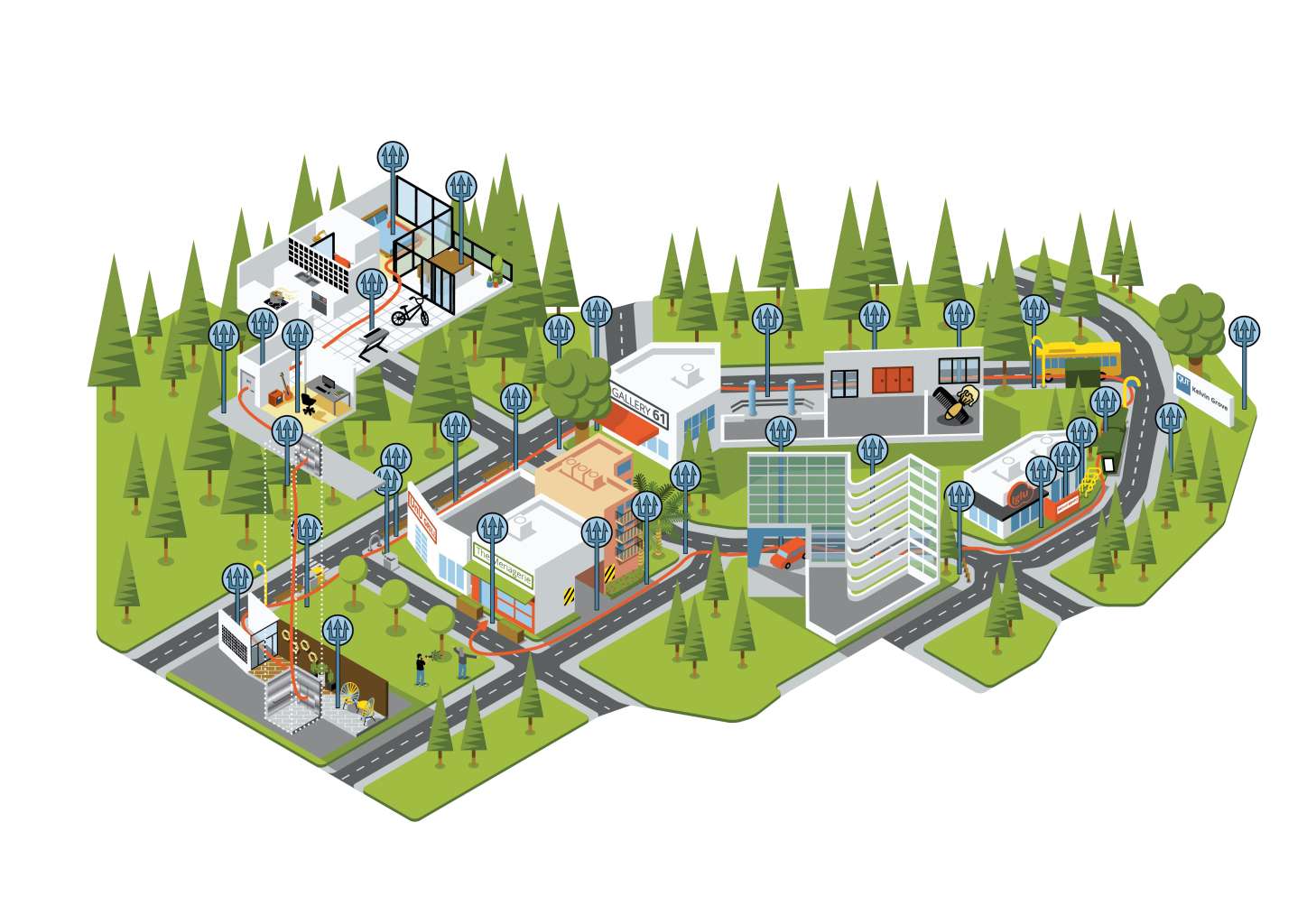
Each of the tritons is an individual locus. The red string shows the journey between the loci. And that’s ultimately what the method of loci is: a strategy for stringing together a number of places along a journey used to help us recall information.
Because this method helps you move across a series of locations, the technique is synonymous with a technique called the “Journey Method” as well as “Memory Palace” and “Mind Palace.”
To help you see exactly how it works, check out my Memory Palace Guide and watch the Memory Palace walkthrough video below:

Core Uses for The Method of Loci
Although many people think the technique is restricted to memorizing lists, that’s just not true… lists are involved, but with a twist.
That’s because all of the uses below essentially involve committing lists to memory. You can use this technique to:
- Memorize speeches (a list of sentences)
- Learn monologues as an actor
- Commit numbers to memory (including up to 100,000 digits)
- Learn languages
- Remember names
- Pass exams
- Win memory competitions
- Set records
- Read and understand more thoroughly
- Enjoy a greater quality of mind
Origins of the Term and Other Uses:
From Simonides to Songlines
The terms “loci method” or “method of loci” mean at their core that we’re turning space itself into a mnemonic device. In other words, you can think of this memory tool as a “location-based mnemonic.”
No one knows exactly where the term comes from. But memory expert Frances Yates details how the Greek tradition of memory entered into the medieval world through Rome in her book The Art of Memory.
The Greeks attributed the loci technique to Simonides of Ceos, but as Lynne Kelly demonstrates in The Memory Code, it’s actually much older.
In fact, Aboriginals and other cultures around the world have been using the sky and landscapes to help them remember information since prehistoric times. Using the sky as part of the method of loci is sometimes called a “Songline,” just one of several ancient memory techniques.
It was probably the Romans who influenced the development of the term Roman Room, which is yet another variation of the term method of loci.
But in my view, the earliest and most thorough description is found in Aristotle. Yates discusses it, but does not fully understand why Aristotle labels each locus with an alphabetical letter as I share in this video:

The reason Aristotle does this is because he’s teaching you his version of spaced repetition. Noting that the exact text has been corrupted, here’s an extract of what Aristotle says.
I am taking this from my version of Aristotle’s On Memory, where I also provided ample commentary of this work:
It often happens that you cannot recall at the moment, but can search for what you want and find it… But you must seize hold of the starting point. For this reason, some use places (or loci)…
Then, when discussing the act of recollecting from loci, Aristotle says:
Generally speaking, the middle point seems to be a good point to start from: for one will recollect when one comes to this point, if not before, or else one will not recollect from any other.
For instance, suppose one were thinking of a series, which may be represented by ABCDEFGH: if one does not recall what is wanted at E, yet one does at H. From that point it is possible to travel in either direction, that is either to D or towards F. Suppose one is seeking for either G or F, one will recollect on arriving at C, if one wants to G or F.
Yates finds this confusing, and admits that she never actually tried the techniques. Richard Sorabji also admits his confusion in Aristotle on Memory, one of my favorite books of all time. But it’s not clear to me whether or not he ever tried the techniques.
How the Method of Loci Works to Assist Spaced Repetition
In my interpretation, Aristotle is describing a process of revisiting your loci in different orders.
By using this specific version, you can increase your retention, because you have revisited the information forward, but also from the middle to the end and by applying a few other patterns.
I might be seeing what I want to see in this passage, but as a long-time professional mnemonist with decades of personal practice and professional teaching, I believe that if we were to ever find an uncorrupted text of Aristotle’s work on memory, we would find that he’s describing principles similar to those described by Hermann Ebbinghaus thousands of years later.
These patterns create the primacy effect, recency effect and serial-positioning effect.
You can spend a lifetime studying the memory science. In brief, these patterns provide essentially the same kind of science-backed review that is built into spaced repetition software like Anki, which I have covered in detail in this guide.
The important point is that our species has been using the core principles of the method of loci for a very long time. And they have all been well-demonstrated by the scientists of our time.
For more on how spaced repetition worked in the ancient world and our time, please see:

Why the Method of Loci Works
Our ancestors noticed that we naturally tend to remember where things happened. We now call this spatial memory and training specifically to pair information more tightly with locations has been shown in scientific studies to produce superior memory.
You can test how the method works quite easily by simply thinking back to a location from your childhood or youth.
For example, think about where you went to elementary school or high school. Mentally walk around. Most of us will be able to reconstruct a fair amount of these buildings.
As an additional exercise, see how many teachers and friends you can name by thinking specifically of the classrooms where you spent time with them.
Or, if you find reaching that far back is too foggy, think about the rooms and hallways of your workplace or even your home.
The Method of Loci in Action: Two Quick Examples
To give you a quick example from my life when I needed to quickly use the technique to memorize the name of a philosopher named Rawls and a few of his ideas, I went through my memory and recalled that I had a grade nine science teacher named Mr. Ralston.
I instantly used the method of loci to chart out a journey in Mr. Ralston’s classroom.
In other words, I linked one name starting with R to another. This additional strategy is called mnemonic linking and you can use it not only create a journey, but have that journey remind you of where you placed the information.
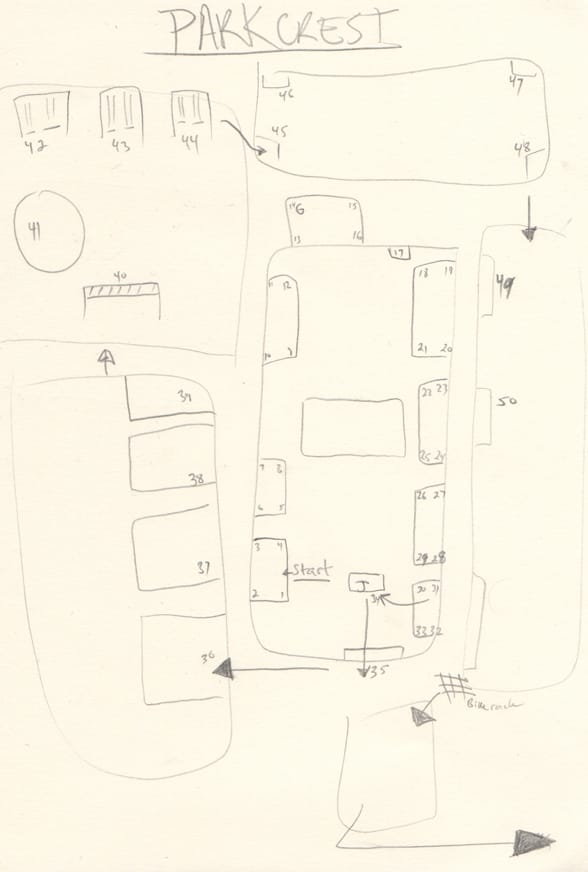
Likewise, the other day I started memorizing a poem. The first word starts with the letter P so I chose my Parkcrest Elementary School Memory Palace.
I sketched it out quickly, numbered the loci and started memorizing the poem.
Because of the link between P in the first word of the poem and the P in the first name of where the loci are laid out, the method of loci is much stronger in practice.
How To Get Started:
Simple to Advanced with More Than One Method of Loci Example
Success begins with the decision to get started and learn the methodology.
But sometimes people feel like they’re not familiar with enough locations, or their past is too foggy.
Rest assured, you’re not alone.
Personally, whenever I get stuck on how to best use the technique, I mind map out as many method of loci examples as I can.
Or, I draw out the alphabet and name as many locations as I can, one per letter. For example:
- A = Apple Store
- B = Bakery
- C = Cafe
- D = Dentist office
- Etc.
Once this list has been compiled, draw out each area and label it with your loci. Here’s an example Memory Palace drawing from one of my students in the Magnetic Memory Method Masterclass:
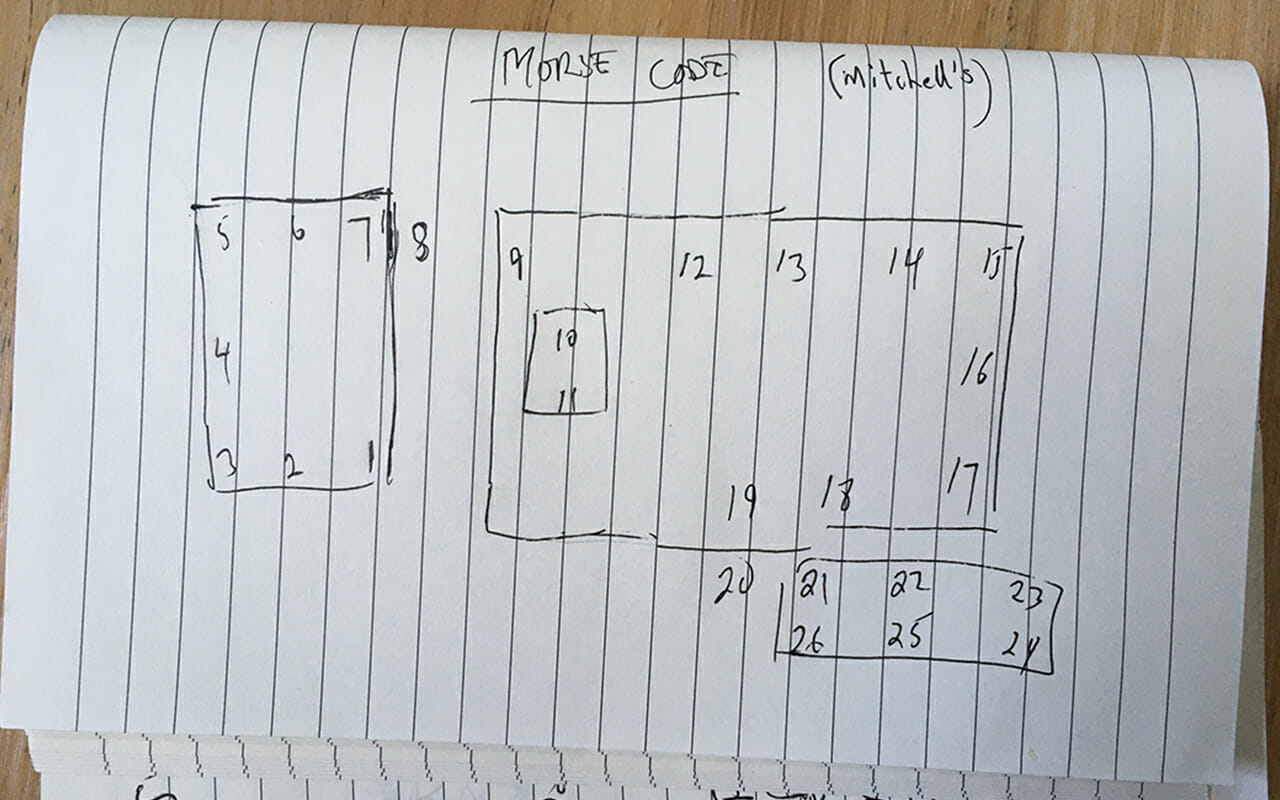
As you can see, my student has numbered each locus.
He also has linked his goal alphabetically to the location. He’s memorizing Morse Code, so has chosen Mitchell’s home.
This is one of the parts Yates misses in her analysis of this technique in The Art of Memory. It’s also not as well-covered in the more recent Moonwalking with Einstein either.
But let’s move from the basics problems introduced by many Memory Palace books.
Instead, let’s take things a step further right there and now.
I want to help you learn the loci method well and in a way that is completely stress-free.
That’s why I’ve put together these nine practical tips that will help you practice the technique once you’ve learned it.

#1: Learn To Use The Method of Loci Simply
This means exactly what you think. Just keep it simple when you’re first starting out.
Don’t overcomplicate or overthink the loci technique.
It’s easy to overthink and analyze, of course. It’s in our nature, right? Well, we can still scrub overthinking out.
To make learning this memory technique simple, start with just 5-10 loci. Yes, you can build up to hundreds, if not thousands of loci, but what use will they be if you don’t know how to reliably use just a handful?
Keep it simple and then build up to more advanced mental journeys by following the next step.
#2: Add Complexity To Your Method of Loci Strategy As Your Skills Grow
Just because we want to keep things simple, doesn’t mean we’re going to remain simple forever. Adding complexity as your skills grow is important.
For example, your first simple Memory Palace of your childhood bedroom can grow to include:
- Your entire home
- Your block
- The walk to school
- The drive to work
- Churches, cafes, art galleries
- Other Memory Palace examples where the method of loci has been used
But before you expand, you’ve got to get good with just one execution of the method of loci, ideally by drawing out the journey from station to station by hand.

That means starting with your existing competence. Don’t overcomplicate things.
With practice, you will see that there are some places where simplicity will always rule and complexity is not desirable.
Ever heard of the phrase, “Just because you can, doesn’t mean you should?”
That’s a great rule of thumb to keep in mind when using this memory method.
An Example of a Complex Use of the Loci Method
One of the longest pieces I’ve attempted to memorize is the Atma Bodha.
To accommodate all of the verses, I sketched out all the loci based on a neighborhood I grew up in:
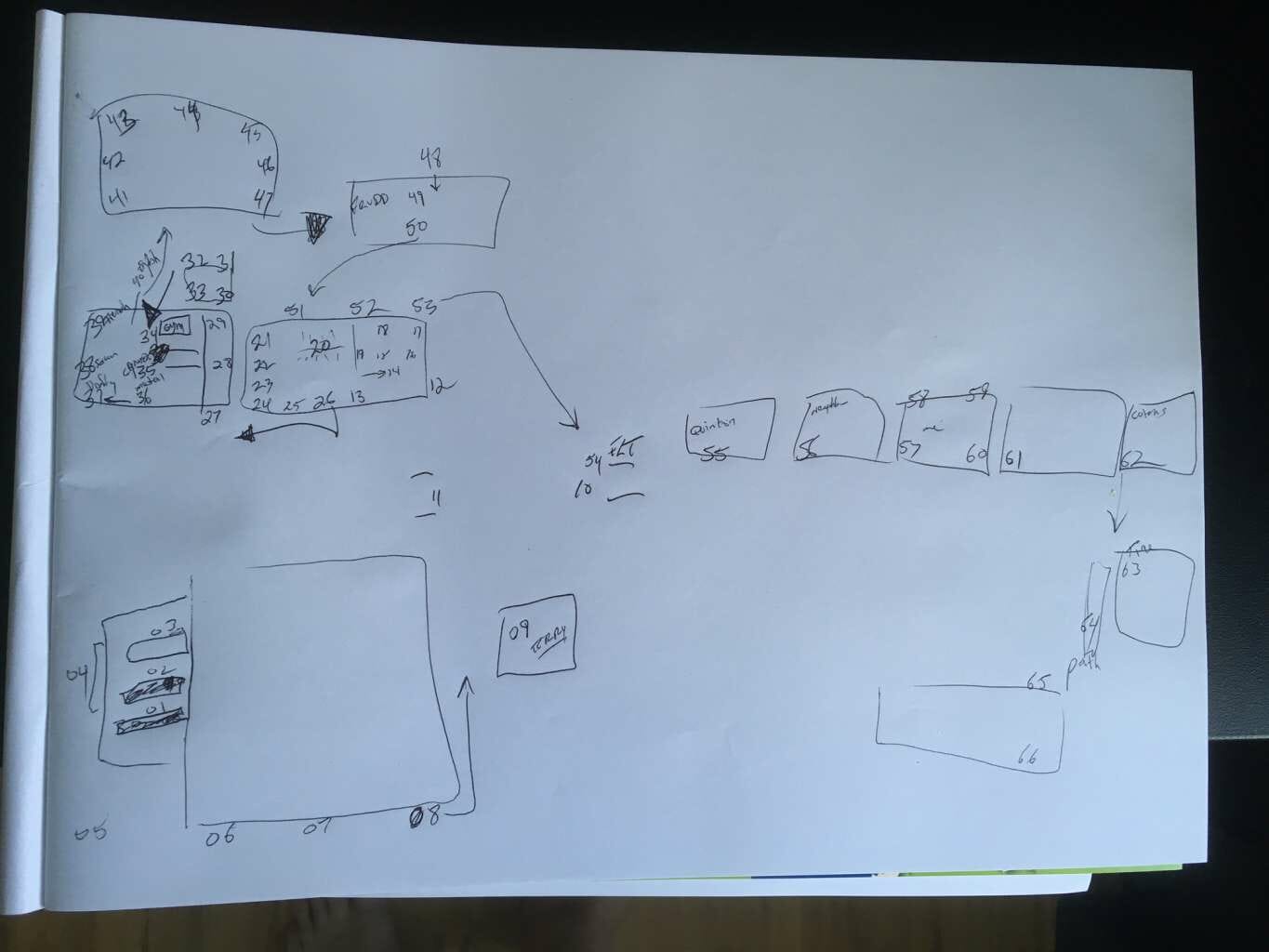
All of the loci are numbered and the journey is logical.
It’s also all based on my memory of those locations. This means that I haven’t memorized anything in order to assign the journey. I’ve only selected those areas that I remember.
In your practice with the technique, that may mean missing out a number of houses or entire streets.
This is perfectly fine. You’re better off using the technique based on what is in your memory.
#3: Use Different Sized Journeys
Once you have grown your practice to where you have built several palaces, you’ll want to start using them. But not all information is created equally, and this is where developing a variety of variously sized locations comes in handy.
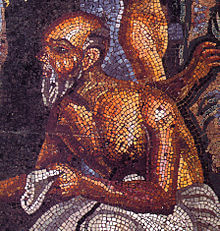
The matter of size when using the method of loci goes at least as far back as Simonides of Ceos, who is thought to have discovered the technique after recalling the names of people at a banquet after they died in a tragic earthquake.
His use of the technique was obviously not that big, since banquet halls in the ancient world probably weren’t as big as our contemporary shopping malls.
Nonetheless, writers like Thomas Aquinas, Giordano Bruno and Matteo Ricci all recommended small distances between the stations.
Some of the ancient texts are very specific and say you should have five feet between stations. Others recommend much more space.
Consider this, however:
These ancient memory experts lived in a different era.
They did not have the compact buildings and roadways that we enjoy now. They definitely didn’t have this great method of loci book list from which to learn the ideas we have in our time.
If they had, I believe our ancestors would have made very different choices when using the kinds of memory techniques Boris Konrad used to establish Guinness World Records and Anastasia Woolmer used to combine memorization techniques with dance.
You can use very big journeys, or small ones. You can use entire buildings or your body.
The point is to know the purpose of why you’re using the method of loci.
You can have shorter and longer journeys and more complex and simpler journeys. You can have a variety and have each serve you differently, so long as you’re clear about what you want these spatial memory tools to help you remember better.
Have I tried using Mega Mind Palaces myself? You bet, but always with mixed results.

#4: Use White Space
“Less is more.”
While it can be useful to have very condensed Memory Palaces, and those can be filled and overloaded with tons of stations, it can also be very beneficial to see what happens when you have less. Try working in a manner that’s spaced out, instead of overloaded.
You can apply this idea to not only your use of the method of loci, but what you encode when using it. Memorize less, encode less, and see if you’re able to have more recall from focusing on fewer pieces of information.
The goal is to avoid the “Dr. Faust effect.”
The legend of Faust warns us against a downfall caused by a greed for all knowledge. He was unsatisfied with a mastery of law, logic, science and theology, and turned to the dark arts, where he eventually was damned after he sold his soul to Mephistopheles for more knowledge.
Instead of just collecting information, and never feeling satiated, why not be satisfied with the big ideas, and having an appreciation of the “white space”? You’ll find that your mind will fill in the blanks and you don’t need that overload of information. The white space will take care of itself. Let your Memory Palaces breathe.
#5: Complete Both Short Term And Long Term Projects
To keep your practice fresh, have both short and long term projects you are working towards.
A classic short term project is to have a daily run through of memorizing playing cards. Keep a deck handy (maybe beside your coffee pot in the morning, or near your reading nook) so you can shuffle and memorize a handful in your downtime.
For a longer term project, this may be learning a new language, studying human anatomy or memorizing a collection of poetry.
Toggling these two projects will keep you from becoming bored and burnt out with a singular goal.
#6: Explore Indoor vs. Outdoor Options
As you toggle between short and long term projects, explore using indoor and outdoor locations for your memory journeys.
As an alternative to viewing your memory tools as simply one large Mind Palace, what if you thought of it as a collection of smaller locations?

For example, a home is a collection of rooms, and a room is a collection of areas and corners. A park can be seen as a playground area, hiking trail, community pool.
(Or you can skydive and wander your Memory Palaces like Kevin Richardson does while using Recall Rehearsal for learning Japanese with mnemonics.)
Be flexible and bring a sense of playfulness to using this memory technique. It will be far more beneficial as you develop living and growing entities using the method of loci instead of a static, fixed creation.
For more on using outdoor locations, check out my discussion with Lynne Kelly on the craft of memory.
#7: Understand That The Method Of Loci Creates Pegs To Which You Can Add Pegs
Think of each spot you create using the method of loci as a peg to which you can add pegs. In other words, each is a space to which you can add a peg.
When people first get started with memory techniques they may see these tools as mutually exclusive, instead of elements that can be used in partnership.
Yet, the Peg System works exactly how you would imagine, pegging or linking one thing to another. Building upon what you do know, you connect the new information to it in your mind.
(No, peg system is not that different from the pegword method, but it’s worth exploring both.)
#8: Persist with S.I.P.
Now even though I’ve broken down mastery of the Method of Loci down to nine simple tips, it may not always be easy peasy. You will encounter challenges along the way. There’s just no getting around it. Success with these methods is not about not having those setbacks, but that you know how to deal with them.
And one of the best ways to deal with those challenges is to make sure you have a good library of memory training.
Use all of the information you have available to you. Utilize it constantly and consistently. Take S.I.P. to heart:
S = Study the techniques for yourself consistently over time
I = Implement what you learn from your study of memory techniques and its tradition.
P = Practice these techniques with information that improves your life.
Be ever vigilant in tweaking your practice and improving it.
#9: Keep A Memory Journal
Finally, keep a memory journal. It is crucial to have a place, a record of what you’re doing, how you’re doing it. Only then are you able to proceed and know where you’re going if you know where you’ve come from.
Although you could use digital tools for better memory journaling, I personally don’t see the attraction.
Instead, consider going back to “keep it simple.”
When it comes to memory training exercises in a world overloaded by digital temptations, sticking with traditional methods is itself a discipline well worth developing.
#10: Treat Using Your Loci Like A Game
One of the best ways to enjoy the process of using this memory technique is to not take things so seriously.
When I invented my game, Memory Detective and wrote the memory-themed mystery novels Flyboy and Vitamin X, this was my attempt to help people maximize their own fun with the learning experience. You can read my novel and learn the techniques along with the detective. Or when you play my game, you can get passive memory exercise and active memory exercise in a fun community.
The memory competitions also bring a level of gamification to memory training, or you can create your own process. For example, when using the loci method, you can set a timer.
Or you can roll dice to determine how many of your loci you’re going to use during a single learning session.
The important thing is to have fun so that you can learn and practice memory techniques in ways that you find mentally stimulating.
Additional Benefits of Using The Method of Loci
People report many benefits of using this particular memory method.
One of the most exciting developments in recent years comes from Dr. Tim Dalgleish. He’s shown that using the method of loci can help alleviate symptoms of depression. I’ve enjoyed this benefit personally, something I reported on at length in my most popular book, The Victorious Mind.
Other benefits include confidence, getting a raise or promotion, or even starting a career as a professional mnemonist.
I’ve also had many of my students on the podcast who have:
Although many people come to the method of loci in order to pass exams, the outcomes are incredibly diverse.
Getting The Method of Loci Right The First Time
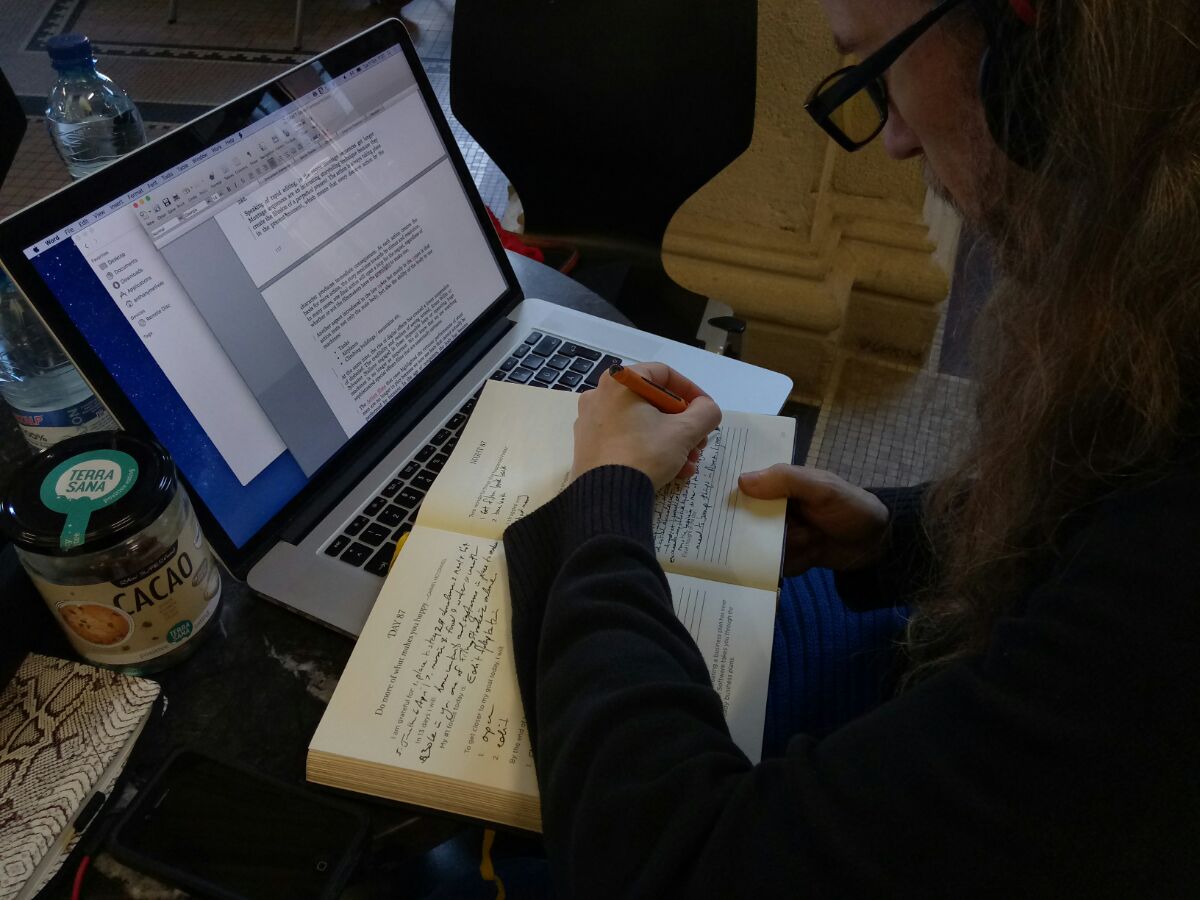
A memory journal also helps you get it right the first time. I highly recommend that you draw when using the method of loci. No software. I’m talking about using pencil or ink on paper.
Sure, method of loci software might be an option for some, but for the majority of us, I think it reduces our abilities. We need to train our brains to think spatially and in concrete terms.
This was one of the key points covered in Rhetorica Ad Herennium. Although a lot of it covers strategies for delivering speeches, it also teaches the method of loci. In fact, it’s one of the key memory training books.
Why is it so important, especially given that it first appeared circa 90 BCE?
Because it essentially nailed exactly what the technique is and how it works.

However, it doesn’t exactly tell you, as I do, to sketch your Memory Palaces.
I recommend you do this because even a rudimentary drawing helps you quickly “see” your Memory Palace journeys better in your mind.
This simple step is not about being an artist. Any simple sketch will do.
It’s helpful because when create them visually on the page, you can easily strategize each station before using the Method of Loci. That way, you never need to “renovate” your Memory Palaces later.
Plus, simple sketches help you use Memory Palaces even if you cannot visualize them. That’s been my case for a long time, but I still manage to use the technique thanks to sketching.
I know that this can seem like a lot of work in the beginning. If you’re feeling overwhelmed, just start with just one of the tips on this page.
See how implementing it improves the ease and speed of which you can create palaces and progress through the Method of Loci.
Mix and match these principles to maximize your efforts and you’ll see just how effortless the process can be with practice over time. Then move on to these more advanced Method of Loci training exercises.
Method of Loci FAQ
Over the years, I’ve fielded hundreds of questions.
Here are my best answers to those questions that are most important when it comes to mastering this mnemonic device.
What is the Method of Loci?
It is a well-proven memory technique that helps you recall a wide variety of information by linking it to two “free” resources that are already in your memory:
- A location
- Some kind of association
Unless you have an issue with the place cells in your brain, like Christopher Kemp has reported on, your memory naturally remembers rooms, paths, landmarks and other locations.
After using the technique in combination with elaborative encoding, when you want to recall information as part of learning, you simply mentally walk the same route you developed and decode the associations you placed on each locus.
At its core, you’re using physical space to help you learn and retain information.
Is the Method of Loci the same as the Memory Palace/Mind Palace/Journey Method?
Effectively, yes.
Some people do use “journey method” to describe loci they’ve placed outdoors exclusively, however.
The flourishing of terminology can be frustrating, especially since people also use terms like “Memory Castle” or memory spaces, on top of Roman Room or even Virtual Memory Palaces.
So long as you understand that the core idea is to give your mind an organizational structure, the exact term you use doesn’t matter that much.
How do you choose suitable loci?
Unless you want to create more cognitive load by memorizing locations, the whole point of the technique is that each locus should already be in your memory.
You’re simply drawing from the resources you already have.
More technically, it’s helpful to:
- Rely on walls and corners because, unlike furniture and wall decorations, they do not move.
- Avoid overcrowding a space with the amount of loci you choose.
- Select places you feel positive about so your use of the technique does not bring up any bad feelings or sensations.
How many loci should you start with?
There’s no one-size-fits-all answer, but most rooms easily allow for ten and create an elegant and easy to navigate mental journey.
- The four corners
- The four walls
- The ceiling
- The floor
You can use this simple encoding principle in almost every room in existence. The approach is just as good for beginners as it is for advanced users of the technique.
What are the most common beginner mistakes?
One of the biggest mistakes is waiting to understand the technique before diving in to take action with it.
Another mistake is not sketching out your journeys. Although it is possible to use the technique purely in your mind, you will still save time by making quick sketches because you’ll process the journey differently.
Not only will you avoid having to renovate the journey later, you’ll also see opportunities you might have otherwise missed.
Fearing mistakes or trying to “get it right” the first time is another major error. In reality, we all need to make mistakes to learn.
Even the most skilled practitioners still make mistakes anyhow, but they always treat them as opportunities for analysis.
If you’d like help experimenting with the technique and are willing to learn by the much needed trial and error all skills require, grab my free course now:

It gives you several video tutorials and worksheets along with exercises that will have you mastering the method of loci in no time flat.
The best part?
You can submit your sketch for feedback. I love helping people by looking at what they’ve done so they can optimize.
So what do you say?
Are you ready to lock in your loci and start memorizing with confidence?
Make it happen!

 Anthony Metivier is the founder of the Magnetic Memory Method, a systematic, 21st century approach to memorizing foreign language vocabulary, names, music, poetry and more in ways that are easy, elegant, effective and fun.
Dr. Metivier holds a Ph.D. in Humanities from York University and has been featured in Forbes, Viva Magazine, Fluent in 3 Months, Daily Stoic, Learning How to Learn and he has delivered one of the most popular TEDx Talks on memory improvement.
His most popular books include, The Victorious Mind and…
Anthony Metivier is the founder of the Magnetic Memory Method, a systematic, 21st century approach to memorizing foreign language vocabulary, names, music, poetry and more in ways that are easy, elegant, effective and fun.
Dr. Metivier holds a Ph.D. in Humanities from York University and has been featured in Forbes, Viva Magazine, Fluent in 3 Months, Daily Stoic, Learning How to Learn and he has delivered one of the most popular TEDx Talks on memory improvement.
His most popular books include, The Victorious Mind and… 



20 Responses
Thank You for this post. In the past I tried stuffing my Memory Palaces thinking that having copious amounts of Info in one place was beneficial.
Once I switch to minimizing information and leaving white space between my magnetic staions, is when I began to easily recall the info.
Thanks again for your training, it has truly added great value to my life.
So glad that you found this useful, Adolfo.
I think in the beginning, most of us try to cram. I certainly did – and it’s dangerous because it actually can work. But things get so much better when we let it breathe.
It’s an honor to have you in the MMM Familia – you’re taking action and, as the hip kids say, “crushin’ it.”
Keep going!
Hi Anthony Metivier! I have two journals. One is for dreams, the other is for vocabulary and notes about the MMM Masterclass.
Thanks for stopping by, Maricela.
It’s great that you’re keeping more than one journal. I have always found segmenting them for different purposes to be useful myself.
Basically, keep your memory training complex but not too complicated.
I liked the idea of using white space. I’m going to give a try.
Thanks, Dexter.
Another way of thinking about it is that we need challenge in order to grow. Complexity can provide that challenge, but only if we have the existing competence needed to bear enough of the load. Many people take on too much complexity before they’re ready for it.
The opposite problem is that people set challenges that are too easy. They don’t grow and they get bored.
That’s why it’s important to tailor everything and re-tailor it with continual analysis of yourself. The Memory Journal is the perfect device for doing this.
Thanks for posting and look forward to hearing from you again soon!
I enjoy listening to this and all of the podcasts on the site. My only confusion is when you use the word “networks” as I keep thinking of networking as in computers. Still, I love this. Thank you, Anthony.
Thanks for checking this out and mentioning the term, Memory Palace Network.
I looked it up and it seems that “network” actually comes from the 16th century, long before computers. Anything with intersecting lines or some kind of mesh might get this term, such as a “chain” of islands. In the 1960s, quite some time after telephones and computers, it was applied to groups of people connected by such devices. In other words, the Magnetic Memory Method Family is a “network” of individuals who care about the memory tradition.
In terms of a network of Memory Palaces, this means having multiple Memory Palaces that are “connected” or “chained” together by using a generative and organizational device, such as the alphabet. For example, if I knew your home, it would be a “J” Memory Palace, whereas the home of Dexter, also in this conversation, would be a “D” Memory Palace.
It’s a tremendously useful way of creating a network and mentally organizing it, and organization was something the ancients placed a premium on. I believe we should too.
As an alternative to an alphabetical Memory Palace Network, you could encode them using a 00-99 PAO, but that will require much more heavy lifting than just working with the alphabet.
Does this help answer the mystery of this term for you? 🙂
It definitely does, Thank you, Anthony.
My pleasure. Thanks for asking such a great question!
Thanks Anthony, this is very rich. Does reconstruction of Memory Palaces based on old homes you lived in trigger old memories too? I was shocked at the level of detail I recall from the homes (and dorms from boarding school) that I remembered as I listed my former residences as Memory Palaces.
Old friends and teachers popped up too.
Amazing!
Laurian
Hi Laurian,
Yes, having old memories pop up happens frequently.
The most interesting thing I find is that by regularly going back to them, even more memories come up. It’s as if the well is never quite dry.
For example, your post prompted me to think of the second home I lived in and two of my dad’s friends came to mind. I thought I’d dug up everything from this one, but obviously not.
Even better, a song one of them used to play came to mind – I’m listening to it now with great pleasure after decades. Many thanks for stirring up some powerful and fun memories!
Can I create my memory palaces with my eyes open? I feel a great distress when I have my eyes closed for more than a few seconds. I even have difficulty meditating because of this, and I don’t know what’s happening?
Could you give me additional tips regarding this?
Yes, it’s possible to create Memory Palaces with eyes wide open. This is in fact how I teach people to do it.
My biggest tip is to learn the method of loci and related techniques from top to bottom. Find a book or course from someone you know, like and trust.
Put the instructions into use and practice them for at least 90-days so your brain has time to form new connections and develop better habits when dealing with learning information in this way.
It does still involve some repetition, but it’s creative repetition and much more interesting and effective for most of us compared to rote.
How many Memory Palaces do I need for my MPhil thesis and do I need number Pegs?
Thanks so much for asking about this.
I would suggest that you have at least 26 Memory Palaces to start, one for each letter of the alphabet.
It is a very good idea to have at least one number system developed and practiced. You can use number pegs in a wide variety of ways.
For example, you can use a mnemonic number system for historical dates, the ages of people when certain events happened and many facts involve numbers.
You can also number the loci in your Memory Palaces and have the numbered associations help with establishing recall. I don’t use this option often, but it does come in handy from time to time.
This sums it all up quite nicely. 4 years and counting in The Magnetic Memory Method.
Most Appreciative for you and your efforts.
Thanks as always for stopping by and for being part of the MMM mission to spread mental literacy around the globe!
Do you have a course on how to learn languages? I understand how to remember vocabulary, but how do you turn this into practical use?
Yes, and thanks for asking.
There are two paths. One is in the course How to Learn and Memorize the Vocabulary of Any Language.
I know you’re already covered on that front, but it also covers conjugations and declensions, amongst other matters related to grammar.
The other course is called The Ultimate Language Learning Secret. It covers tips and strategies for integrating the Big Five of Language Learning, which are reading, writing, speaking, listening and memorizing.
Please let me know if you have further questions and I’ll get back to you a.s.a.p.